
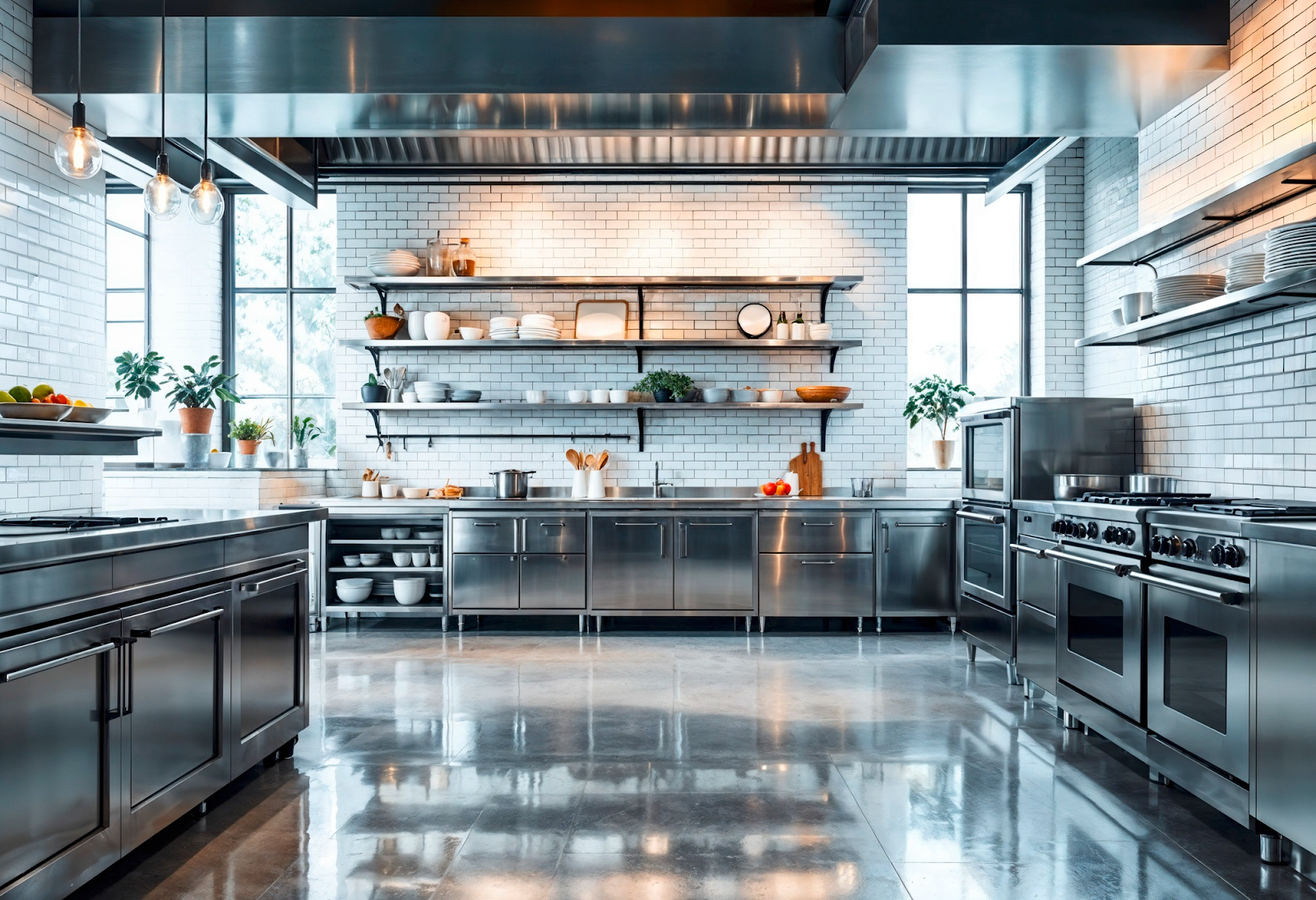
In commercial kitchens, the choice of work surfaces profoundly affects operational efficiency, hygiene, and overall workflow. The stainless steel benches have become a cornerstone of professional culinary environments. Far beyond serving as simple worktops, they enhance durability, cleanliness, and organisation, ensuring kitchens operate smoothly while meeting strict safety standards.
Exceptional Durability
One of the most compelling reasons stainless steel benches are favoured in commercial kitchens is their unmatched durability. Resistant to corrosion, rust, and general wear, stainless steel withstands the constant exposure to water, heat, and harsh cleaning chemicals that are part of daily kitchen operations. Unlike surfaces made from wood, laminate, or lower-grade metals, stainless steel retains both its strength and aesthetic appeal over many years, providing exceptional long-term value.
The physical resilience of stainless steel also allows benches to support heavy equipment and endure the frequent knocks and bumps that occur during busy service periods. In high-pressure kitchen environments, where speed and efficiency are paramount, having surfaces that resist damage reduces maintenance needs and prevents costly interruptions. This durability ensures that a kitchen can operate at full capacity without frequent repairs or replacements, safeguarding both functionality and investment.
Hygiene and Food Safety
Maintaining a clean and sanitary workspace is non-negotiable in any professional kitchen, and stainless steel benches play a crucial role in this regard. Their non-porous surfaces do not absorb food particles or liquids, effectively preventing the accumulation of bacteria and other pathogens. This property makes routine cleaning straightforward and reliable, supporting compliance with health regulations and significantly reducing the risk of foodborne illness.
Stainless steel also tolerates high temperatures, allowing chefs to place hot pots, pans, and trays directly onto the surface without risk of warping or staining. The material can withstand rigorous cleaning methods, including steam cleaning and the use of strong disinfectants, further reinforcing hygiene standards. By combining durability with sanitary design, stainless steel benches contribute to a kitchen environment that is both safe for staff and conducive to the production of high-quality meals.
Efficiency and Organisation
The design and arrangement of work surfaces directly influence the efficiency of kitchen operations. Stainless steel benches are highly adaptable, available in various shapes, sizes, and configurations, making them suitable for any kitchen layout. Customisation allows operators to maximise space utilisation, ensuring staff can access ingredients, utensils, and equipment with minimal movement.
Many benches are also designed with integrated storage, such as undershelves or built-in cabinets, which streamline the workspace by reducing clutter. This combination of work surface and storage not only speeds up meal preparation but also allows kitchen teams to maintain an organised environment, even during peak periods. In essence, stainless steel benches support a workflow that is both methodical and flexible, enabling staff to perform tasks efficiently and consistently.
Environmental Benefits
Sustainability is increasingly important in the hospitality sector, and stainless steel is an environmentally responsible choice. Fully recyclable, stainless steel benches can be repurposed at the end of their life cycle without losing structural integrity, reducing waste and conserving resources.
Their longevity further enhances sustainability by minimising the need for frequent replacements. Fewer manufacturing cycles and reduced material consumption contribute to a smaller ecological footprint, aligning with green initiatives and corporate responsibility goals. In this way, choosing stainless steel supports both operational efficiency and environmental stewardship.
Aesthetic and Professional Appeal
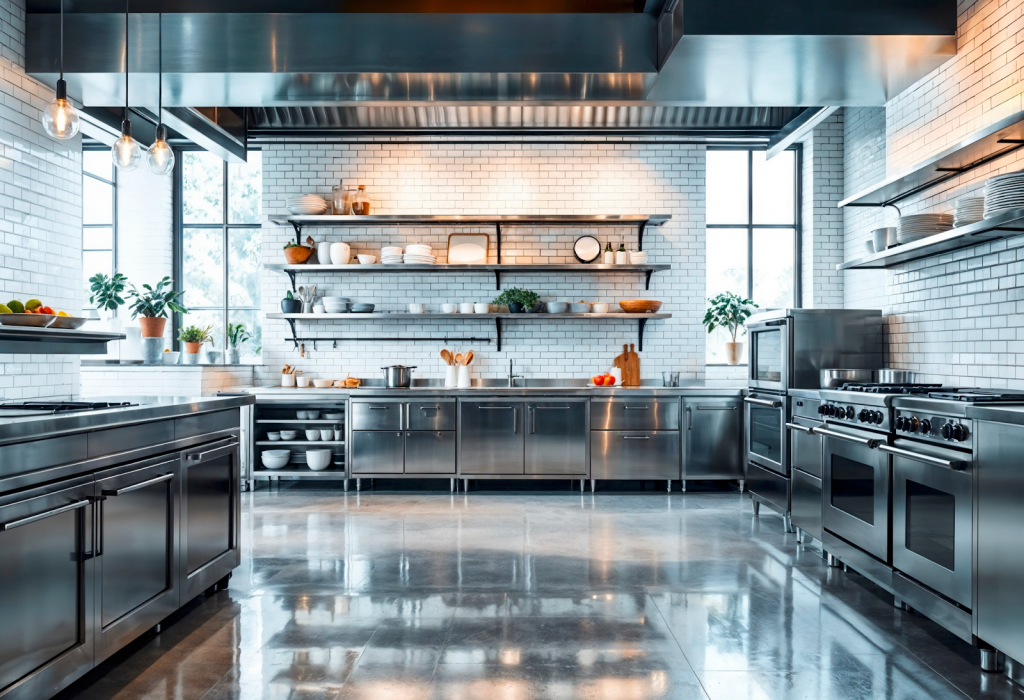
Beyond practical advantages, stainless steel benches contribute to the visual appeal of commercial kitchens. Their reflective surfaces improve lighting conditions, enhancing visibility for staff and promoting a safe, productive workspace. The sleek, modern appearance of stainless steel conveys a professional and clean environment, which can positively influence staff morale and the perception of diners, particularly in open kitchen concepts.
The timeless design of stainless steel complements diverse kitchen décors, ensuring that the aesthetic remains contemporary even as other elements of the space evolve. This versatility makes stainless steel benches not only functional but also an investment in the professional image of the kitchen and the establishment.
Cost-Effectiveness
Although the initial outlay for stainless steel benches may exceed that of alternatives, the long-term financial benefits are considerable. Durability reduces repair and replacement costs, while ease of cleaning decreases labour and maintenance expenses.
Moreover, the resistance of stainless steel to water, heat, and chemical damage prevents costly refurbishments and downtime. When evaluating the total cost of ownership, stainless steel benches emerge as a highly economical choice, combining reliability with compliance and operational efficiency.
Conclusion
Stainless steel benches are indispensable in commercial kitchens, offering a combination of strength, hygiene, efficiency, and aesthetic appeal. They provide a foundation for safe and organised food preparation, support long-term operational success, and contribute positively to both staff performance and customer perception.
As kitchen designs evolve to accommodate modern culinary demands, the reliance on stainless steel continues to grow. Its durability, adaptability, and professional appearance make it a staple of commercial kitchen infrastructure, ensuring that kitchens remain functional, hygienic, and visually impressive for years to come.
