

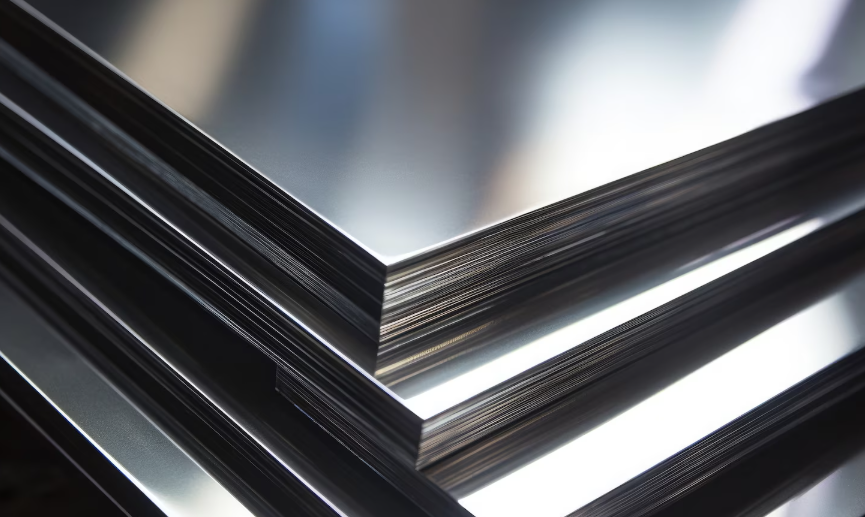
Stainless steel sheets have long been a staple in various industries due to their remarkable properties and versatility. When it comes to thin stainless steel sheets, they offer even more unique applications and advantages. With their corrosion resistance, strength, and aesthetic appeal, these sheets are a top choice in numerous sectors. Discover more about these thin stainless steel sheets by exploring the comprehensive offerings available at https://stainlesstrading.com.au/services/thin-stainless-steel-sheets/.
Properties and Composition
Stainless steel is primarily composed of iron, with a minimum of 10.5% chromium. This chromium content is what grants stainless steel its renowned corrosion resistance. Other elements such as nickel, molybdenum, and nitrogen are often added to enhance specific properties. These sheets are appreciated not just for their resistance to rust and pollution but also for their strength and flexibility, making them perfect for diverse applications.
Applications in Construction
In the construction industry, stainless steel sheets are favoured for their durability and aesthetic value. Their use in cladding and roofing has gained popularity because they can withstand extreme weather without significant wear. The material’s ability to resist corrosion makes it particularly advantageous in coastal and industrial environments where building materials are frequently exposed to harsh conditions.
Role in Architecture and Design
Architecture and design professionals value stainless steel sheets for their sleek and modern appearance. The reflective quality of the steel can enhance architectural features and help create striking facades. Thin sheets can be used in interior design as well, often appearing in countertops, backsplashes, and furniture, adding a contemporary touch to any space.
Automotive Industry Usage
The automotive sector utilises stainless steel sheets in manufacturing car parts such as exhaust systems and trim. These sheets provide excellent heat and corrosion resistance, essential for parts exposed to extreme conditions. Furthermore, the lightweight nature of thin stainless steel sheets helps improve vehicle fuel efficiency, an important consideration given today’s environmental concerns.
Importance in the Food and Beverage Industry
Thin stainless steel sheets are crucial in the food and beverage industry because of their non-reactivity and ease of cleaning. Stainless steel’s hygienic properties prevent any contamination, making it perfect for food processing equipment, kitchen surfaces, and serving items. The material does not leach toxins and maintains the purity of food products, which is vital in maintaining food safety standards.
Technological Applications
With rapid advancements in technology, stainless steel sheets have found new uses in the electronics sector. They are deployed in manufacturing components for gadgets like smartphones, tablets, and other consumer electronics, where both strength and minimal weight are vital. Their conductivity and non-magnetic nature make them ideal for creating interference-free enclosures and housings.
Sustainability and Environmental Impact
Stainless steel is an environmentally friendly material. It is 100% recyclable and can be reused indefinitely without any significant loss of quality. This recycling ability reduces the need for raw material extraction, thus mitigating environmental impact. As industries move towards sustainable practices, the demand for materials like stainless steel sheets, which offer both functionality and eco-friendliness, is expected to rise.
Medical Industry Relevance
In the medical sector, the sterility and resistance to bacteria that stainless steel offers are invaluable. Surgical instruments, hospital beds, and other medical equipment frequently use stainless steel because it supports rigorous sanitation standards without compromising on durability or performance.
Chemical and Petrochemical Industries
The resistance of stainless steel sheets to acid and chemical corrosion makes them ideal for use in the chemical and petrochemical industries. They are employed in constructing chemical storage tanks, pipelines, and heat exchangers. These environments require materials that can endure extreme conditions without degradation, ensuring safety and longevity in industrial applications.
Customisation and Fabrication
Stainless steel sheets offer extensive versatility in terms of customisation. They can be fabricated into various shapes and sizes to fit specific needs. The process of cutting, welding, and forming these sheets can be tailored to produce components with exact specifications, serving the unique demands of various industries efficiently and effectively.
Conclusion
The extensive use of stainless steel sheets across diverse sectors showcases their adaptability and essential role in modern industry. With their durability, environmental benefits, and adaptability, these sheets continue to be a material of choice for future-forward applications. Whether for use in architecture, technology, or medical fields, the intrinsic properties of stainless steel make it an invaluable resource in both current and future advancements.
